B&D Roofing Solutions Blog

Welcome to the B&D Roofing Solutions Knowledge Hub. As trusted experts in both commercial and residential roofing, we provide the essential, up-to-date information you need to protect your investment. From detailed comparisons of asphalt shingles and metal panels to in-depth guides on single-ply membranes (TPO, EPDM, PVC) and restoration systems, this is your definitive source for making smart, cost-effective decisions about your roof's maintenance, repair, and replacement.

Asphalt Shingles
By Donna Frey November 18, 2025
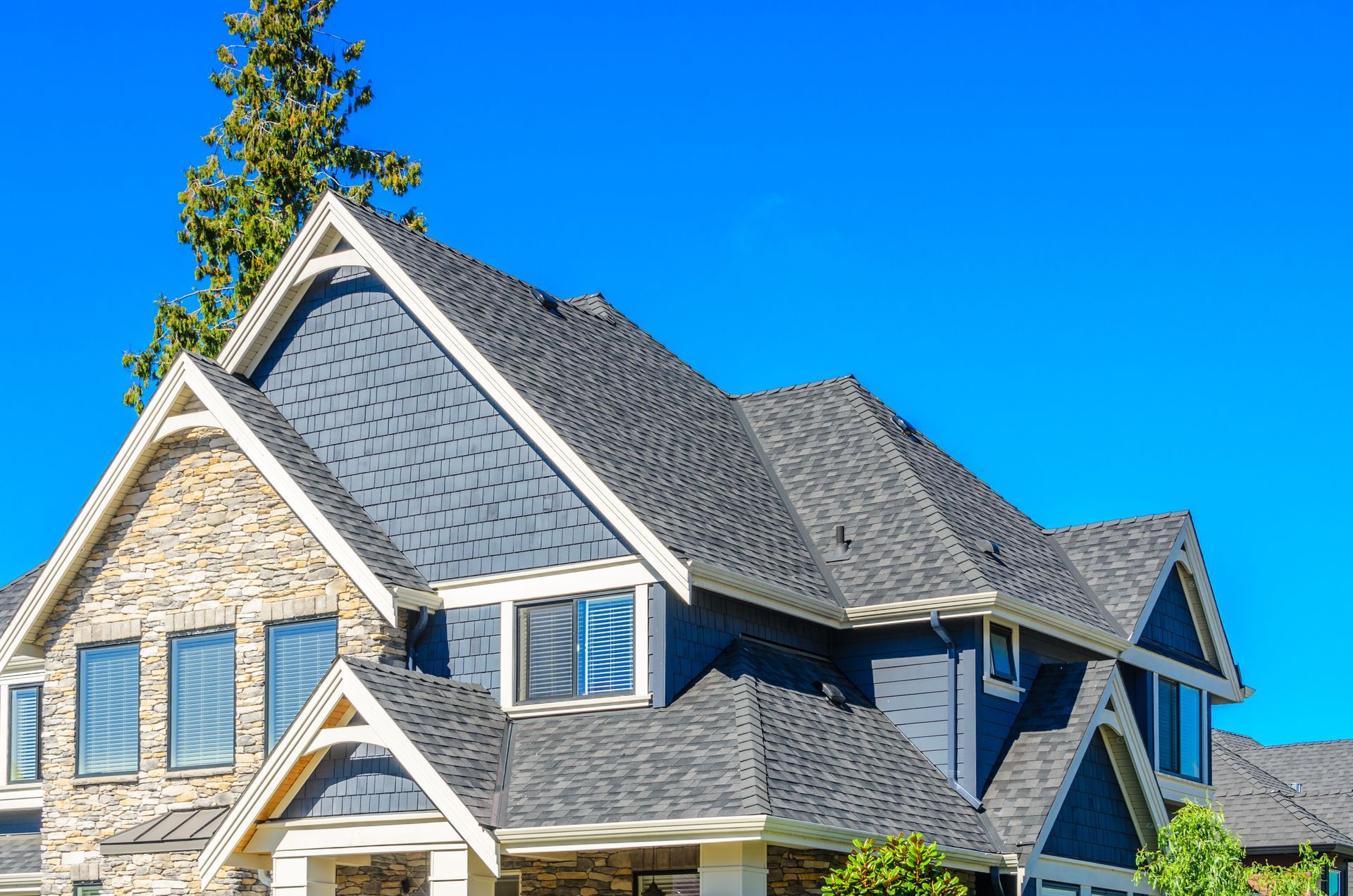
The Enduring Popularity of Asphalt Shingle Roofing The roof covering your home is your most critical structural defense. It must be safe, stylish, durable, and easy to maintain , providing essential protection against harsh weather elements and the potential damage they inflict. Since roof replacements are a significant, long-term investment, partnering with a certified contractor is key to ensuring the maximum lifespan of your system. The Dominance of Asphalt Shingles Since their commercialization in the early 20th century, asphalt shingles have become the undisputed champion of residential roofing in the United States. Today, the Asphalt Shingle Roof Assembly is the most commonly installed residential roofing system, covering an estimated 80% of homes across the nation. Modern manufacturing processes have dramatically expanded the available options. Asphalt shingles are now available in a vast array of colors, textures, and designer styles , offering homeowners unparalleled flexibility in achieving their desired curb appeal. Choosing Your Shingle Style: From Value to Luxury For steep-slope buildings, asphalt shingles are now offered in several tiers of performance and aesthetics. Understanding these tiers is crucial for making the right investment: 1. Three-Tab (Strip) XT™ 25 Economical/Value. Flat, single-layer construction. An effective baseline product, though the lightest and most prone to wind damage. 2. Architectural (Dimensional) Landmark, Landmark PRO Mid-Range/Standard. Dual-layered and laminated for a dimensional look. Provides significantly improved durability, better wind resistance, and a longer warranty. 3. Luxury/Designer Grand Manor, Belmont® IR High-End/Premium. Ultra-heavyweight, multi-layered shingles that mimic the look of natural slate or wood shake. Offers the highest level of durability, longest warranties, and often includes features like Class 4 Impact Resistance (IR). These high-performance shingles come standard with enhanced features, including: Weather Resistance: Engineered to withstand high winds, rain, and temperature fluctuations. Algae Resistance (AR): Often treated with copper granules to prevent the dark, unsightly streaks common in humid environments. Durability: Modern fiberglass mat bases and advanced asphalt formulations provide excellent structural integrity and longevity. Our Commitment: CertainTeed Certified Quality While we cannot tell you that a new asphalt shingle roofing system is inexpensive, we can promise our rates are the most competitive in the area for the level of quality we provide. The final cost of your roof replacement is determined by key factors: the shingle line chosen, the size and complexity of your roof, the slope, and any necessary repairs to underlying decking. As a certified installer for CertainTeed —a leading manufacturer of premium roofing products like Landmark and Grand Manor—our team possesses the specialized training and expertise to ensure your chosen shingle system is installed to the highest industry standards. This certification often allows us to offer enhanced, non-prorated warranties that uncertified contractors cannot provide, securing your investment for decades to come. Contact us today for your free, detailed estimate. We will meticulously assess your home and provide a transparent quote, explaining the cost factors involved. You can also request a free estimate by filling out the form on our website. We think you’ll be pleased with the combination of premium products, certified installation, and competitive prices that we offer.
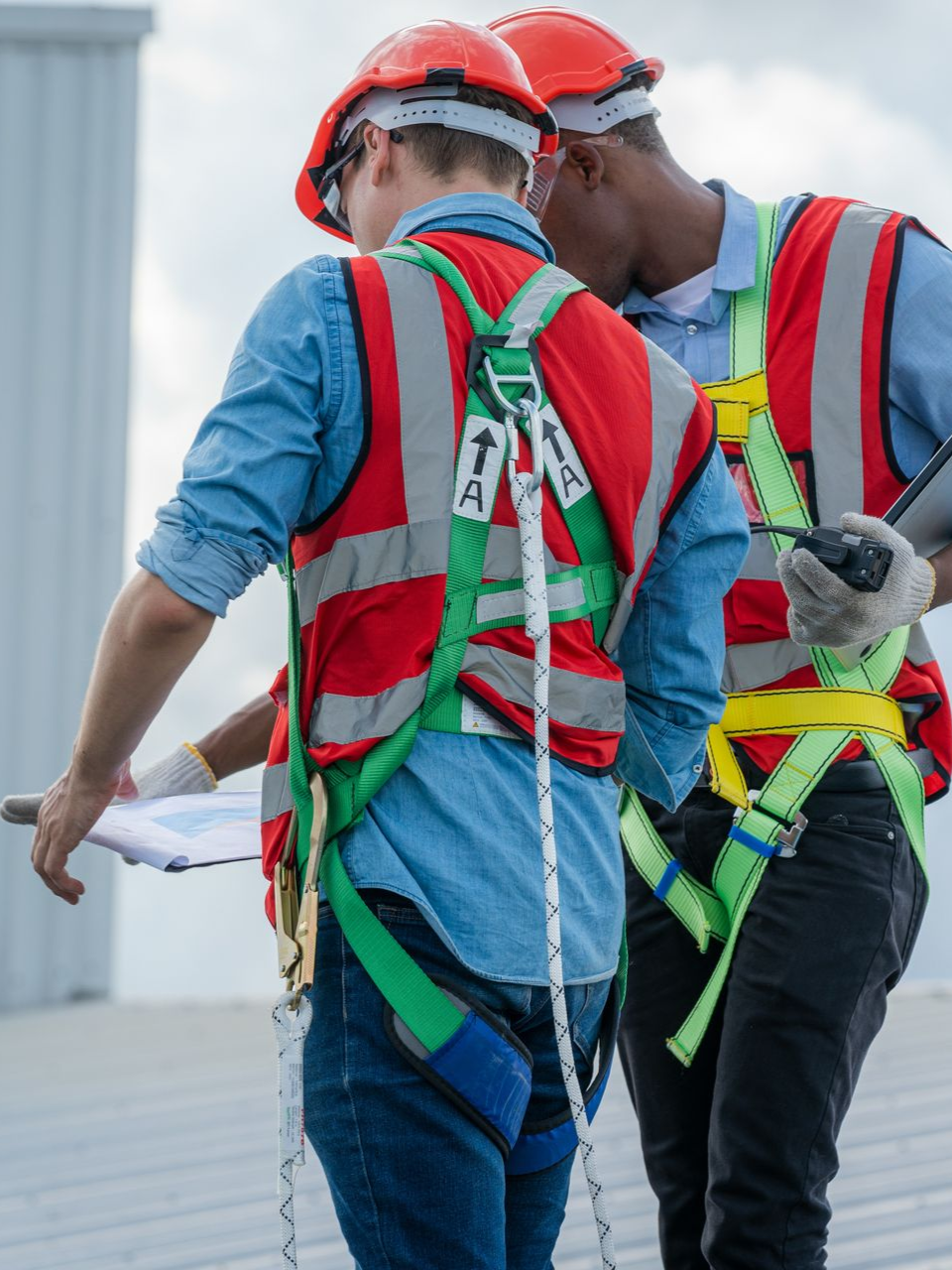
roofer
By Donna Frey November 18, 2025
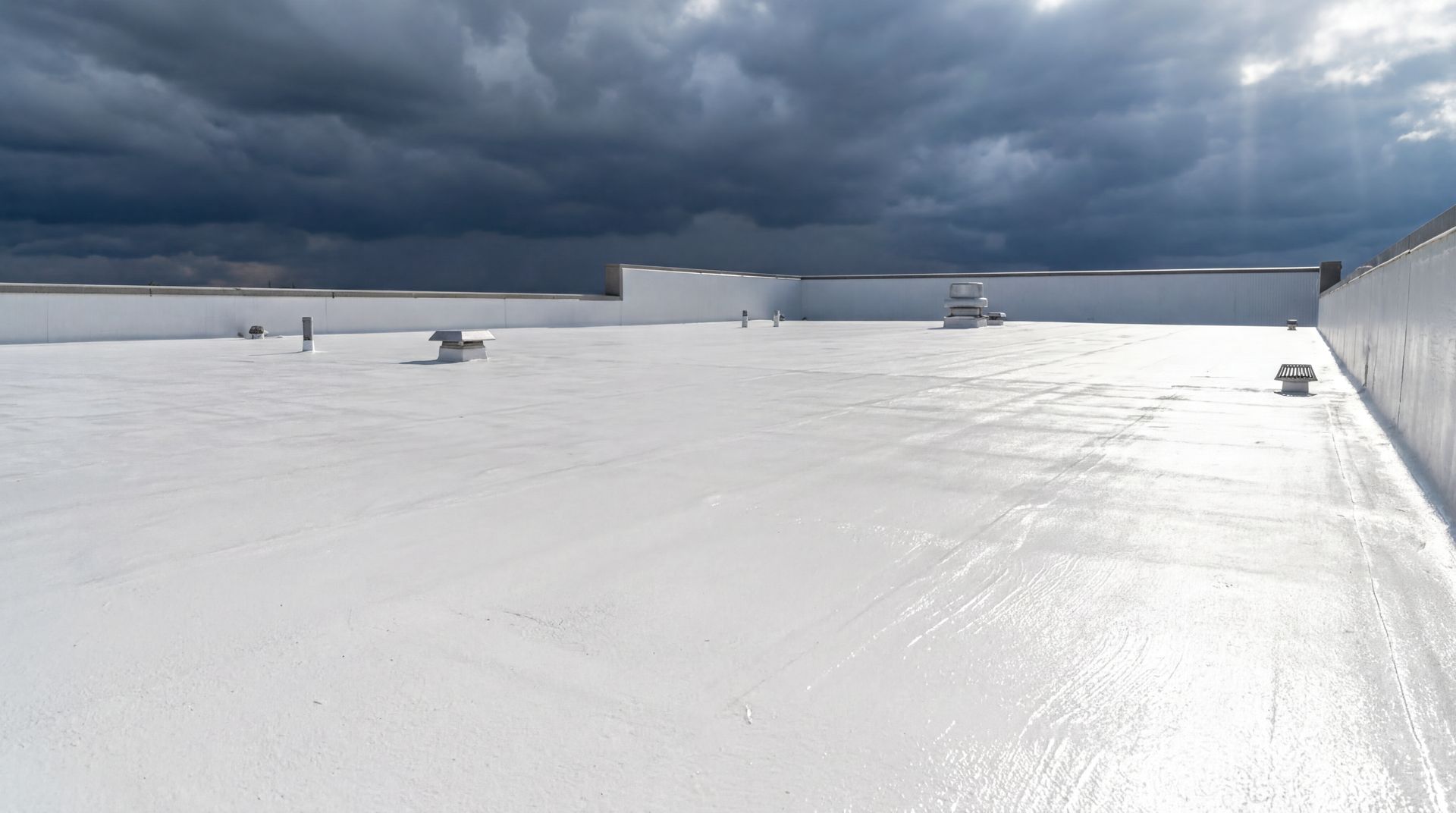
Understanding Commercial Roof Systems: Components, Slope, and Performance For commercial, institutional, and industrial structures, the roofing system plays a critical role in asset protection, energy performance, and operational continuity. These buildings almost exclusively use low-slope systems, which are complex assemblies designed for weatherproofing and thermal efficiency. Defining the Commercial Roof Structure A commercial roof is categorized as either a Roof Assembly or a Roof System : Roof Assembly: This is the most comprehensive definition. It includes all interrelated components , from the bottom up: the roof deck (structure), air or vapor retarder, insulation, underlayment, and the primary roof covering. Its purpose is to create a complete weatherproof and thermally efficient barrier. Roof System: This is a more focused term, typically referring to the components above the deck . It generally consists of the primary roof covering, underlayment, and roof insulation, designed to weatherproof and improve the building's thermal resistance. Low-Slope Roof Systems: The Commercial Standard Commercial roof systems are commonly installed on slopes of 3 inches per foot (3:12) and less (often perfectly flat). These are weather-proof systems, designed to handle extreme weather and occasional standing water, though they must always provide positive drainage. We categorize these systems into three main types: 1. Single-Ply Membranes These systems use one primary layer of flexible, prefabricated membrane material, installed via mechanical fastening, adhering, or ballasting. They are highly popular due to their versatility and heat-welded seams (in the case of thermoplastics), which create a monolithic, water-tight bond. Thermoset Sheets: Ethylene Propylene Diene Monomer ( EPDM – often called "rubber roofing"). Known for durability and long lifespan. Thermoplastic Sheets: Polyvinyl Chloride ( PVC ) and Thermoplastic Polyolefin ( TPO ). Known for high reflectivity (energy savings) and superior resistance to oils, fats, and chemicals (PVC). 2. Multi-Ply & Liquid-Applied Systems These traditional and innovative systems are built up on the roof layer by layer: Polymer-Modified Bitumen (Mod Bit): Built up in layers, enhanced with polymers for flexibility and strength. Often applied as self-adhering (peel-and-stick) or traditional torch-applied membranes. Built-Up Roof (BUR) Membranes: A traditional system made from multiple layers of asphalt (bitumen) and ply sheets, offering exceptional redundancy. Liquid-Applied Membranes: Built in place from a liquid resin (like silicone or polyurethane) and often reinforced with fabric. These create a seamless, fully adhered surface, ideal for complex geometries. 3. Specialty Systems: Metal and SPF These offer specialized performance for low-slope applications: Metal Panel Roof Systems: Used for their durability and low maintenance. The primary types are Architectural and Structural (Standing Seam) . Structural panels are designed with interlocking, weather-tight seams to handle the lowest slopes effectively. Spray Polyurethane Foam (SPF) Roof Systems: A seamless, self-flashing system created by mixing two liquid components that expand 20 to 30 times their original volume. SPF is applied in varying thicknesses to achieve specific thermal resistance and to create positive drainage where the structural deck is flat. The Requirement for Positive Drainage Low-slope commercial systems require positive drainage to eliminate excessive standing water (ponding) that can damage the system over time. If the structural framing does not provide slope, we design and install tapered insulation systems to guide water toward roof drains, scuppers, and gutters. Ultimately, the optimal low-slope system for your building depends on factors like chemical exposure, required thermal performance, and budget. Contact us today for a professional consultation and more information about the best low-slope roof system for your commercial or institutional structure. 
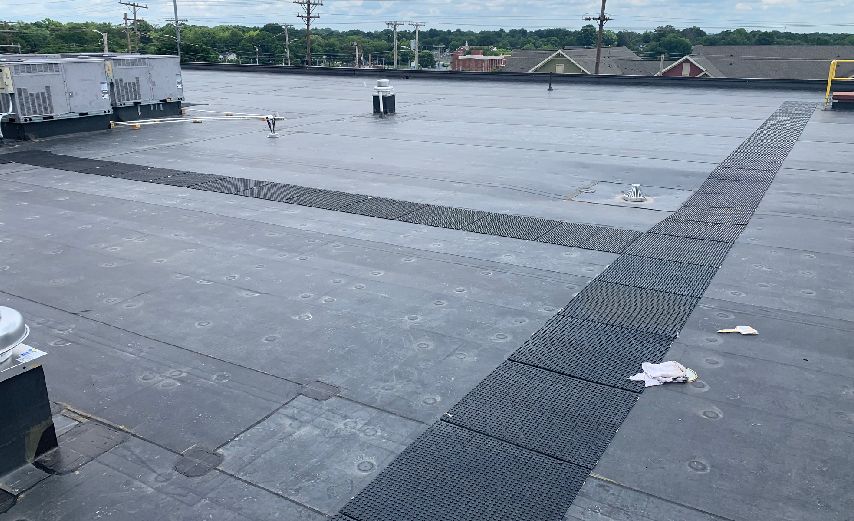
EPDM roofing
By Donna Frey January 18, 2025
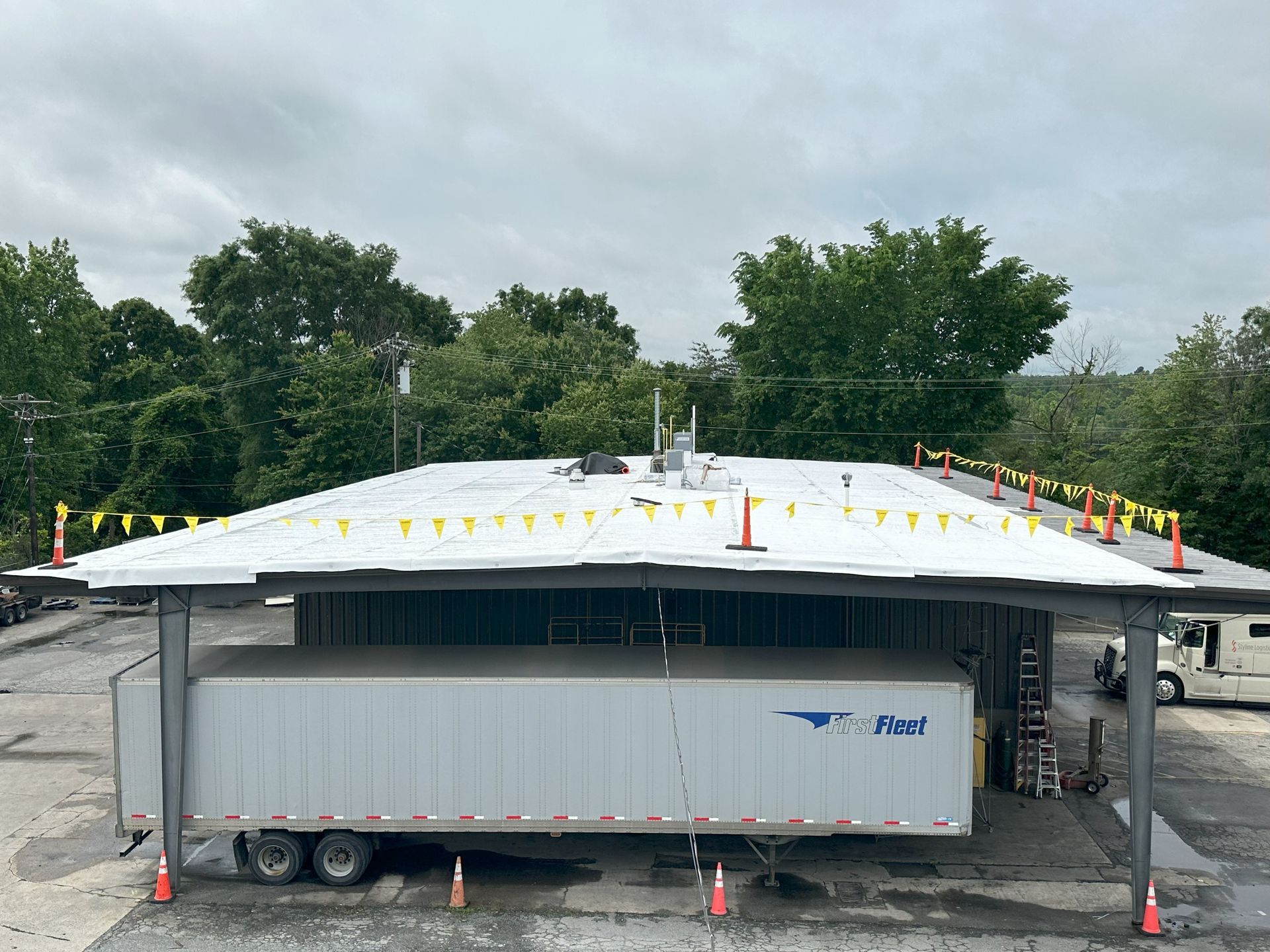
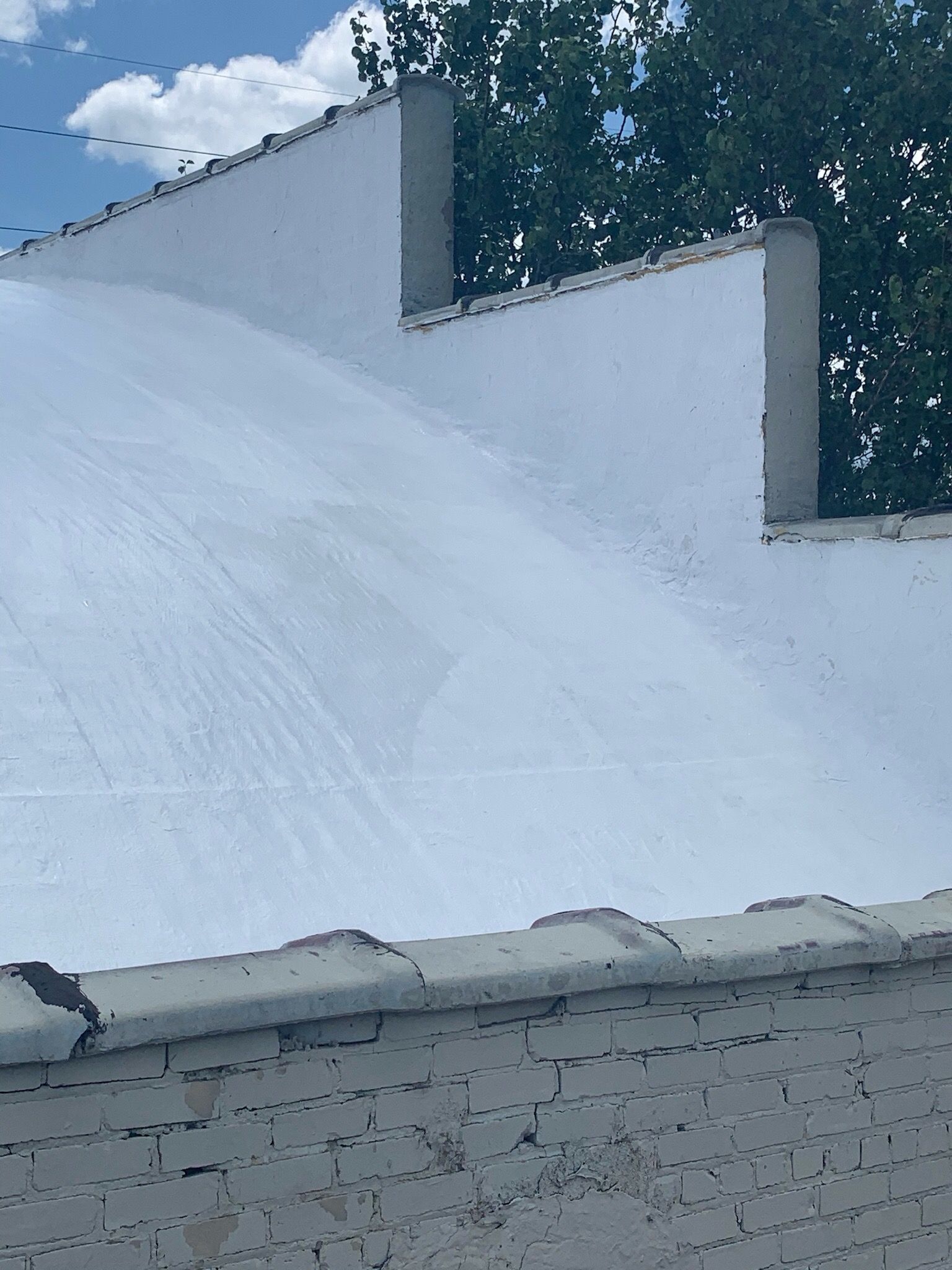
Guide to Commercial Flat Roofing Systems Choosing the right flat roofing system for a commercial property is a critical decision that impacts longevity, energy efficiency, and maintenance costs. Given the complexity and variety of options available, it's essential to partner with a roofing contractor who specializes in the specific materials suited for commercial applications. Here is an overview of the most common and effective flat roofing systems used in commercial construction today: 1. TPO Roofing System (Thermoplastic Polyolefin) TPO remains one of the most popular commercial roofing systems due to its robust combination of performance and value. Classification: Thermoplastic single-ply membrane. Key Features & Updates: TPO is highly durable, versatile, and cost-effective . Modern formulations offer improved UV resistance and flexibility, significantly extending the material's lifespan. The seams are hot-air welded, creating an extremely strong, monolithic, and waterproof bond. Benefits: Excellent puncture resistance, high reflectivity (leading to significant energy savings and compliance with "cool roof" standards), and minimal maintenance requirements. Ideal For: New construction, re-roofing projects, and facilities prioritizing energy efficiency. 2. EPDM Rubber Roofing System (Ethylene Propylene Diene Monomer) Often referred to as "rubber roofing," EPDM is a time-tested material known for its exceptional durability . Classification: Elastomeric (synthetic rubber) single-ply membrane. Key Features & Updates: EPDM is an incredibly long-lasting material. While traditionally black (absorbing heat), it is now widely available in white (reflective) formulations to improve energy efficiency, providing a solution for both hot and cold climates. Installation can be fully adhered, mechanically fastened, or ballasted. Benefits: Extraordinary resistance to UV light, ozone, weathering, and temperature extremes. It is an excellent choice for roofs with low slope or totally flat configurations and is highly repairable. Ideal For: Structures in various climates needing a durable, long-term, and reliable waterproofing solution. 3. PVC Roofing System (Polyvinyl Chloride) PVC is a premium, high-performance thermoplastic membrane favored in demanding environments. Classification: Thermoplastic single-ply membrane. Key Features & Updates: PVC is flexible, lightweight, and engineered for superior resistance to chemicals, grease, and fires. Like TPO, the seams are hot-air welded for ultimate waterproofing. Modern PVC systems maintain their flexibility and strength even in harsh conditions. Benefits: Superior resistance to fats, oils, and chemical effluents , making it ideal for restaurants or other facilities with rooftop exhaust. It also stands up exceptionally well to continuous dampness and ponding water without suffering adverse effects from plant roots, fungi, or bacteria. Ideal For: Commercial kitchens, industrial facilities, and buildings requiring chemical and grease resistance. 4. Modified Bitumen (Mod Bit) Roofing System Modified Bitumen is a sturdy, traditional system often used as an upgrade to traditional asphalt built-up roofing (BUR).  Classification: Asphalt-based rolled roofing, enhanced with polymer modifiers (either APP or SBS). Key Features & Updates: This system consists of one or more layers of rolled roofing material. While older methods relied on torch-application (heating the asphalt adhesive), the industry has largely shifted to safer, highly effective peel-and-stick (self-adhered) systems . These modern systems utilize all-weather-grade adhesives, eliminating the need for an open flame and simplifying installation. Benefits: Enhanced resistance to thermal shock and fatigue compared to traditional BUR. The mineral-granule surface provides excellent UV protection and durability. Ideal For: Repairs on existing built-up roofs, projects with complex flashing details, and buildings where redundancy in layers is preferred. Roofing Solutions Tailored to Your Needs At B&D Roofing Solutions, we are proficient in the repair and replacement of all major commercial flat roofing systems: TPO, EPDM, PVC, and Modified Bitumen . We understand that each material—from the superior longevity and durability of TPO and EPDM, to the chemical resistance of PVC, and the robust layering of Modified Bitumen—offers specific advantages. Our expertise ensures we recommend and install the optimal system for your building's unique requirements, climate, and budgetary considerations. We are committed to delivering superior performance and long-term energy efficiency for a wide variety of commercial facilities. Contact Us today at 336-899-1985 for a free on-site evaluation and estimate to determine the best modern roofing solution for your commercial property.
Asphalt Shingles
By Donna Frey November 18, 2025
The Enduring Popularity of Asphalt Shingle Roofing The roof covering your home is your most critical structural defense. It must be safe, stylish, durable, and easy to maintain , providing essential protection against harsh weather elements and the potential damage they inflict. Since roof replacements are a significant, long-term investment, partnering with a certified contractor is key to ensuring the maximum lifespan of your system. The Dominance of Asphalt Shingles Since their commercialization in the early 20th century, asphalt shingles have become the undisputed champion of residential roofing in the United States. Today, the Asphalt Shingle Roof Assembly is the most commonly installed residential roofing system, covering an estimated 80% of homes across the nation. Modern manufacturing processes have dramatically expanded the available options. Asphalt shingles are now available in a vast array of colors, textures, and designer styles , offering homeowners unparalleled flexibility in achieving their desired curb appeal. Choosing Your Shingle Style: From Value to Luxury For steep-slope buildings, asphalt shingles are now offered in several tiers of performance and aesthetics. Understanding these tiers is crucial for making the right investment: 1. Three-Tab (Strip) XT™ 25 Economical/Value. Flat, single-layer construction. An effective baseline product, though the lightest and most prone to wind damage. 2. Architectural (Dimensional) Landmark, Landmark PRO Mid-Range/Standard. Dual-layered and laminated for a dimensional look. Provides significantly improved durability, better wind resistance, and a longer warranty. 3. Luxury/Designer Grand Manor, Belmont® IR High-End/Premium. Ultra-heavyweight, multi-layered shingles that mimic the look of natural slate or wood shake. Offers the highest level of durability, longest warranties, and often includes features like Class 4 Impact Resistance (IR). These high-performance shingles come standard with enhanced features, including: Weather Resistance: Engineered to withstand high winds, rain, and temperature fluctuations. Algae Resistance (AR): Often treated with copper granules to prevent the dark, unsightly streaks common in humid environments. Durability: Modern fiberglass mat bases and advanced asphalt formulations provide excellent structural integrity and longevity. Our Commitment: CertainTeed Certified Quality While we cannot tell you that a new asphalt shingle roofing system is inexpensive, we can promise our rates are the most competitive in the area for the level of quality we provide. The final cost of your roof replacement is determined by key factors: the shingle line chosen, the size and complexity of your roof, the slope, and any necessary repairs to underlying decking. As a certified installer for CertainTeed —a leading manufacturer of premium roofing products like Landmark and Grand Manor—our team possesses the specialized training and expertise to ensure your chosen shingle system is installed to the highest industry standards. This certification often allows us to offer enhanced, non-prorated warranties that uncertified contractors cannot provide, securing your investment for decades to come. Contact us today for your free, detailed estimate. We will meticulously assess your home and provide a transparent quote, explaining the cost factors involved. You can also request a free estimate by filling out the form on our website. We think you’ll be pleased with the combination of premium products, certified installation, and competitive prices that we offer.
roofer
By Donna Frey November 18, 2025
Understanding Commercial Roof Systems: Components, Slope, and Performance For commercial, institutional, and industrial structures, the roofing system plays a critical role in asset protection, energy performance, and operational continuity. These buildings almost exclusively use low-slope systems, which are complex assemblies designed for weatherproofing and thermal efficiency. Defining the Commercial Roof Structure A commercial roof is categorized as either a Roof Assembly or a Roof System : Roof Assembly: This is the most comprehensive definition. It includes all interrelated components , from the bottom up: the roof deck (structure), air or vapor retarder, insulation, underlayment, and the primary roof covering. Its purpose is to create a complete weatherproof and thermally efficient barrier. Roof System: This is a more focused term, typically referring to the components above the deck . It generally consists of the primary roof covering, underlayment, and roof insulation, designed to weatherproof and improve the building's thermal resistance. Low-Slope Roof Systems: The Commercial Standard Commercial roof systems are commonly installed on slopes of 3 inches per foot (3:12) and less (often perfectly flat). These are weather-proof systems, designed to handle extreme weather and occasional standing water, though they must always provide positive drainage. We categorize these systems into three main types: 1. Single-Ply Membranes These systems use one primary layer of flexible, prefabricated membrane material, installed via mechanical fastening, adhering, or ballasting. They are highly popular due to their versatility and heat-welded seams (in the case of thermoplastics), which create a monolithic, water-tight bond. Thermoset Sheets: Ethylene Propylene Diene Monomer ( EPDM – often called "rubber roofing"). Known for durability and long lifespan. Thermoplastic Sheets: Polyvinyl Chloride ( PVC ) and Thermoplastic Polyolefin ( TPO ). Known for high reflectivity (energy savings) and superior resistance to oils, fats, and chemicals (PVC). 2. Multi-Ply & Liquid-Applied Systems These traditional and innovative systems are built up on the roof layer by layer: Polymer-Modified Bitumen (Mod Bit): Built up in layers, enhanced with polymers for flexibility and strength. Often applied as self-adhering (peel-and-stick) or traditional torch-applied membranes. Built-Up Roof (BUR) Membranes: A traditional system made from multiple layers of asphalt (bitumen) and ply sheets, offering exceptional redundancy. Liquid-Applied Membranes: Built in place from a liquid resin (like silicone or polyurethane) and often reinforced with fabric. These create a seamless, fully adhered surface, ideal for complex geometries. 3. Specialty Systems: Metal and SPF These offer specialized performance for low-slope applications: Metal Panel Roof Systems: Used for their durability and low maintenance. The primary types are Architectural and Structural (Standing Seam) . Structural panels are designed with interlocking, weather-tight seams to handle the lowest slopes effectively. Spray Polyurethane Foam (SPF) Roof Systems: A seamless, self-flashing system created by mixing two liquid components that expand 20 to 30 times their original volume. SPF is applied in varying thicknesses to achieve specific thermal resistance and to create positive drainage where the structural deck is flat. The Requirement for Positive Drainage Low-slope commercial systems require positive drainage to eliminate excessive standing water (ponding) that can damage the system over time. If the structural framing does not provide slope, we design and install tapered insulation systems to guide water toward roof drains, scuppers, and gutters. Ultimately, the optimal low-slope system for your building depends on factors like chemical exposure, required thermal performance, and budget. Contact us today for a professional consultation and more information about the best low-slope roof system for your commercial or institutional structure. 
EPDM roofing
By Donna Frey January 18, 2025
Guide to Commercial Flat Roofing Systems Choosing the right flat roofing system for a commercial property is a critical decision that impacts longevity, energy efficiency, and maintenance costs. Given the complexity and variety of options available, it's essential to partner with a roofing contractor who specializes in the specific materials suited for commercial applications. Here is an overview of the most common and effective flat roofing systems used in commercial construction today: 1. TPO Roofing System (Thermoplastic Polyolefin) TPO remains one of the most popular commercial roofing systems due to its robust combination of performance and value. Classification: Thermoplastic single-ply membrane. Key Features & Updates: TPO is highly durable, versatile, and cost-effective . Modern formulations offer improved UV resistance and flexibility, significantly extending the material's lifespan. The seams are hot-air welded, creating an extremely strong, monolithic, and waterproof bond. Benefits: Excellent puncture resistance, high reflectivity (leading to significant energy savings and compliance with "cool roof" standards), and minimal maintenance requirements. Ideal For: New construction, re-roofing projects, and facilities prioritizing energy efficiency. 2. EPDM Rubber Roofing System (Ethylene Propylene Diene Monomer) Often referred to as "rubber roofing," EPDM is a time-tested material known for its exceptional durability . Classification: Elastomeric (synthetic rubber) single-ply membrane. Key Features & Updates: EPDM is an incredibly long-lasting material. While traditionally black (absorbing heat), it is now widely available in white (reflective) formulations to improve energy efficiency, providing a solution for both hot and cold climates. Installation can be fully adhered, mechanically fastened, or ballasted. Benefits: Extraordinary resistance to UV light, ozone, weathering, and temperature extremes. It is an excellent choice for roofs with low slope or totally flat configurations and is highly repairable. Ideal For: Structures in various climates needing a durable, long-term, and reliable waterproofing solution. 3. PVC Roofing System (Polyvinyl Chloride) PVC is a premium, high-performance thermoplastic membrane favored in demanding environments. Classification: Thermoplastic single-ply membrane. Key Features & Updates: PVC is flexible, lightweight, and engineered for superior resistance to chemicals, grease, and fires. Like TPO, the seams are hot-air welded for ultimate waterproofing. Modern PVC systems maintain their flexibility and strength even in harsh conditions. Benefits: Superior resistance to fats, oils, and chemical effluents , making it ideal for restaurants or other facilities with rooftop exhaust. It also stands up exceptionally well to continuous dampness and ponding water without suffering adverse effects from plant roots, fungi, or bacteria. Ideal For: Commercial kitchens, industrial facilities, and buildings requiring chemical and grease resistance. 4. Modified Bitumen (Mod Bit) Roofing System Modified Bitumen is a sturdy, traditional system often used as an upgrade to traditional asphalt built-up roofing (BUR).  Classification: Asphalt-based rolled roofing, enhanced with polymer modifiers (either APP or SBS). Key Features & Updates: This system consists of one or more layers of rolled roofing material. While older methods relied on torch-application (heating the asphalt adhesive), the industry has largely shifted to safer, highly effective peel-and-stick (self-adhered) systems . These modern systems utilize all-weather-grade adhesives, eliminating the need for an open flame and simplifying installation. Benefits: Enhanced resistance to thermal shock and fatigue compared to traditional BUR. The mineral-granule surface provides excellent UV protection and durability. Ideal For: Repairs on existing built-up roofs, projects with complex flashing details, and buildings where redundancy in layers is preferred. Roofing Solutions Tailored to Your Needs At B&D Roofing Solutions, we are proficient in the repair and replacement of all major commercial flat roofing systems: TPO, EPDM, PVC, and Modified Bitumen . We understand that each material—from the superior longevity and durability of TPO and EPDM, to the chemical resistance of PVC, and the robust layering of Modified Bitumen—offers specific advantages. Our expertise ensures we recommend and install the optimal system for your building's unique requirements, climate, and budgetary considerations. We are committed to delivering superior performance and long-term energy efficiency for a wide variety of commercial facilities. Contact Us today at 336-899-1985 for a free on-site evaluation and estimate to determine the best modern roofing solution for your commercial property.